- Bothell, Washington
- contact@commercialcleaningbothell.com



Need any help?
(425) 678-2035

When winter afternoons grow darker, marks on office glass can become more noticeable against indoor reflections and low-angle light. For a Seattle workplace, preparing the windows is less about chasing a perfect view and more about distinguishing surface soil from moisture, glazing faults, and unsafe access conditions.
Inspect from ordinary occupied positions
Look at the glass from desks, meeting tables, and the usual walking route. Note fingerprints, smears, dust on accessible ledges, and marks that appear to be outside. A brief record helps prioritize the panes that affect the room rather than treating every window identically.
Do not promise a measurable increase in daylight or productivity from cleaning alone. Glazing type, building orientation, blinds, exterior obstructions, and weather all influence the light that reaches a workspace.
Identify the surface before choosing a method
Check whether the glass has film, a coating, or special care instructions. Frames, seals, and nearby finishes may have different sensitivities. Avoid abrasive pads, blades, or experimental chemical treatments that could damage the assembly.
For accessible interior glass, use approved products and clean tools with controlled moisture. Protect desks, carpet, sockets, and stored items below the work area. Apply liquid in a way that does not soak edges or run into electrical equipment.
Keep routine cleaning separate from exterior access
High exterior windows, restricted openings, roof access, and work at height require appropriate planning and competent personnel. Do not lean out of a window or stand on office furniture to reach an awkward patch. A clear photo from a safe position and an access note are often the most useful first steps.
Coordinate any approved work with building management. In a shared Seattle building, facade and glazing arrangements may be outside the tenant’s control.
Watch for condensation and recurring dampness
Moisture on room-facing glass is different from water between sealed panes. Damp frames, staining, or a recurring wet ledge should be referred to the responsible building team. Cleaning the visible mark does not diagnose or repair the source.
The EPA’s moisture-control guidance explains why water problems should be addressed promptly. Its general advice is not a substitute for assessing a particular office’s ventilation or glazing.
Use a practical seasonal checklist
– Record pane locations and which side appears affected. – Confirm glass, film, and frame care instructions. – Clear and protect approved interior work areas. – Arrange safe access without blocking office routes. – Check the dry result under more than one lighting condition. – Report recurring moisture or marks that ordinary cleaning does not resolve.
Reassess after the first review
If the same streak quickly returns, look for a runoff path, dirty tool, product residue, or a building issue instead of simply increasing the frequency. Keep notes concise enough that another person can understand what changed.
For a fuller list of material and access questions, see the window-care planning notes. The aim is a safe, well-defined task, not an unsupported promise about the building’s performance.
Recent Post
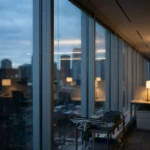
How to Prepare Seattle Office Windows for Shorter Winter Days
October 28, 2026
How to Manage Cleaning Access in a Shared Seattle Building
October 28, 2026